-
Retail giants Amazon and Walmart are exploring stablecoin initiatives to revolutionize payment systems by reducing costs and bypassing traditional financial intermediaries.
-
Reports indicate these companies may either issue proprietary digital currencies or join an established stablecoin consortium to enhance transaction efficiency.
-
However, regulatory challenges loom large as new US legislation could restrict non-financial firms from directly issuing stablecoins, complicating these efforts.
Amazon and Walmart consider stablecoin adoption to streamline payments amid regulatory hurdles, signaling a shift in retail financial strategies.
Amazon and Walmart Eye Stablecoin Integration to Transform Retail Payments
Amazon and Walmart are reportedly evaluating stablecoin strategies as part of a broader initiative to modernize payment infrastructures. The two retail behemoths are considering options ranging from launching their own stablecoins to collaborating with existing stablecoin networks. This move could significantly disrupt the traditional payment ecosystem dominated by intermediaries such as Visa and Mastercard, which often impose substantial fees and delay settlement times.
Stablecoins offer near-instantaneous transaction finality and lower processing costs, making them attractive for large-scale retail operations. Industry analysts view this development as a clear indicator of growing corporate interest in blockchain technology to enhance operational efficiency and customer experience. By leveraging stablecoins, Amazon and Walmart could streamline cross-border payments, reduce fraud risks, and improve liquidity management.
Industry Insight: Market Reactions and Expert Commentary
Market observers have noted the significance of this initiative, emphasizing that the involvement of two of the world’s largest retailers could accelerate mainstream stablecoin adoption. Nate Geraci, a prominent financial commentator, highlighted the inevitability of crypto integration in traditional commerce, stating, “The world’s two largest retailers are trying to figure out how to either issue their own stablecoin or use an outside stablecoin… And there are still people who think crypto will just go away. It’s comical at this point.” This sentiment underscores the growing acceptance of digital currencies within established financial frameworks.
Regulatory Challenges Threaten Stablecoin Plans for Retail Giants
Despite the promising outlook, Amazon and Walmart’s stablecoin ambitions face considerable regulatory obstacles. The US Senate is currently reviewing the Guiding and Establishing National Innovation for US Stablecoins Act (GENIUS Act), which aims to impose stringent regulations on stablecoin issuance, including reserve requirements and consumer protections. While intended to foster market stability and trust, the legislation explicitly prohibits non-financial public companies from issuing stablecoins directly.
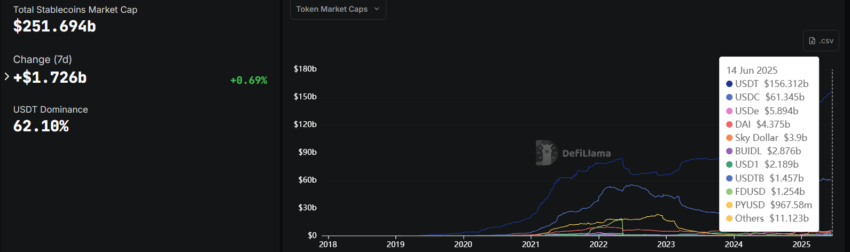
This restriction means Amazon and Walmart must either obtain regulatory exemptions or operate through licensed financial entities to participate in stablecoin issuance. Alex Thorn, head of research at Galaxy Digital, explained that these retailers would likely need to establish or acquire regulated banking subsidiaries and navigate complex approval processes involving the Federal Reserve, FDIC, and Treasury Department.
Despite these hurdles, the interest shown by Amazon and Walmart signals a strategic preparation for a future where stablecoins play a pivotal role in everyday retail transactions, potentially reshaping the payment landscape.
Conclusion
Amazon and Walmart’s exploration of stablecoin initiatives reflects a significant shift towards blockchain-based payment solutions in retail. While regulatory frameworks present challenges, the potential benefits of faster, cheaper, and more secure transactions are driving innovation. As legislation evolves, these retail giants may pioneer new models for integrating stablecoins into mainstream commerce, setting a precedent for other corporations to follow.