
White House group lays out roadmap for 'golden age' of digital assets in fact sheet, with no mention of Bitcoin reserve

Quick Take The working group specifically said it wants Congress to build on the House’s crypto market structure bill, according to the fact sheet. Notably, language on a Bitcoin reserve and crypto stockpile is missing from the fact sheet.
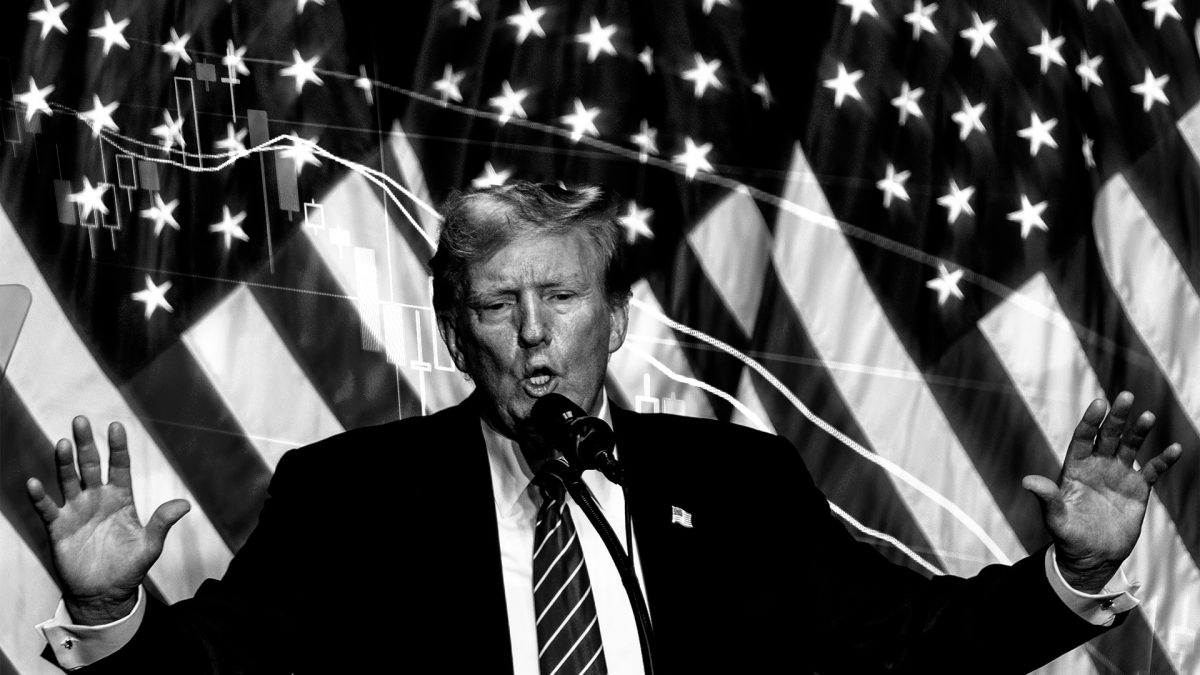
A coalition of federal agencies, commissioned by the White House, detailed their recommendations to usher "in the golden age of crypto," according to a fact sheet of the report released on Wednesday.
The report is part of an executive order issued by President Donald Trump in January that created the President's Working Group on Digital Asset Markets. Treasury Secretary Scott Bessent, Commerce Secretary Howard Lutnick, and Securities and Exchange Commission Chair Paul Atkins are among other members of that group.
As part of the executive order, they were tasked with submitting a report that outlined recommendations for a regulatory framework for digital assets, which one crypto industry leader said would serve as a " regulatory Bible " or guidebook for the sector. A more detailed report is expected to be released later in the day.
On Wednesday, the working group said it would build on work done by lawmakers in Washington, according to the fact sheet. Earlier this month, the U.S. House of Representatives passed a bill to regulate the crypto industry at large called the Digital Asset Market Clarity Act. Senate Republicans have since released their own version that has some differences compared to their House counterparts.
The working group specifically said it wants Congress to build on Clarity, according to the fact sheet.
The working group also called on Treasury and other banking agencies to "expeditiously implement the GENIUS Act." Trump signed that bill into law , called the Guiding and Establishing National Innovation for U.S. Stablecoins. The bill would create a federal regulatory framework for stablecoins, requiring stablecoins to be fully backed by U.S. dollars or similarly liquid assets, among other requirements.
The fact sheet also included language around crypto taxes, which had been a priority for some in the industry.
"Our tax rules must align with new technologies and eliminate compliance hurdles for both individuals and businesses engaged in activities involving digital assets," according to the fact sheet.
Notably, language on a Bitcoin reserve and crypto stockpile is missing from the fact sheet.
Trump proposed creating a digital asset stockpile and a strategic Bitcoin reserve in March via an executive order. At the time, Trump had tasked Lutnick and Bessent to develop budget-neutral strategies for acquiring additional bitcoin, provided that those strategies have no incremental costs to American taxpayers.
As for the stockpile, the executive order said it would not acquire additional assets for the stockpile beyond those obtained through forfeiture proceedings. Ahead of issuing the order, President Trump announced plans to move forward with a U.S. crypto strategic reserve that included XRP, SOL, and ADA alongside BTC and ETH.
Disclaimer: The content of this article solely reflects the author's opinion and does not represent the platform in any capacity. This article is not intended to serve as a reference for making investment decisions.
You may also like
CoreWeave Credit Crisis Resembles the 2023 SVB Panic More Than the 2008 Subprime Mortgage Crisis?
The key issue now is not whether CoreWeave will collapse, but whether compute pricing can support the financing logic of this cycle. The answer to this question will determine the eventual outcome of this panic.

How are safe-haven assets performing amid market turmoil triggered by technology, energy, and the crisis in France?
Safe-haven assets reordered: since the Iran war, the US dollar has risen 4%, the Swiss franc has seen its largest monthly gain since the end of 2023, German bonds and short-term bonds have become the winners, and gold has found support at $4,000.
Nasdaq Plunge Triggers AI Debt Crisis: Trillions in Capital Shift to US Treasuries
In October 2026, the Nasdaq Index plummeted as high-leverage debts from AI giants such as CoreWeave triggered default panic. Capital rapidly shifted from high-risk AI infrastructure to 10-year US Treasury bonds, highlighting an intense pricing power struggle between the private sector and sovereign governments over long-term savings.
Crypto prices
More


