

The US crypto regulation report proposes a clear framework with shared SEC and CFTC oversight, streamlined banking regulations, and specific tax policies to foster innovation and safeguard investors in digital assets.
-
Shared jurisdiction between SEC and CFTC to regulate securities and commodities.
-
Banking reforms to enable crypto custody and transparent chartering processes.
-
Custom tax policies addressing unique crypto features like staking.
US crypto regulation report details SEC-CFTC oversight, banking reforms, and tax clarity to support digital asset growth. Read more on COINOTAG.
What Are the Key Recommendations in the US Crypto Regulation Report?
The US crypto regulation report released by President Trump’s Working Group on Digital Assets emphasizes a dual regulatory approach. It advocates for the Commodity Futures Trading Commission (CFTC) to oversee commodity tokens and spot markets, while the Securities and Exchange Commission (SEC) governs securities tokens. This clear division aims to establish a robust market structure and enhance investor protection.
How Does the Report Propose to Reform Banking Regulations for Crypto?
The report calls for easing banking regulations by allowing banks to custody cryptocurrencies and offer digital asset services. It suggests streamlining the bank charter acquisition process and increasing transparency in regulatory requirements. These reforms are designed to integrate crypto services into traditional finance while maintaining regulatory clarity.
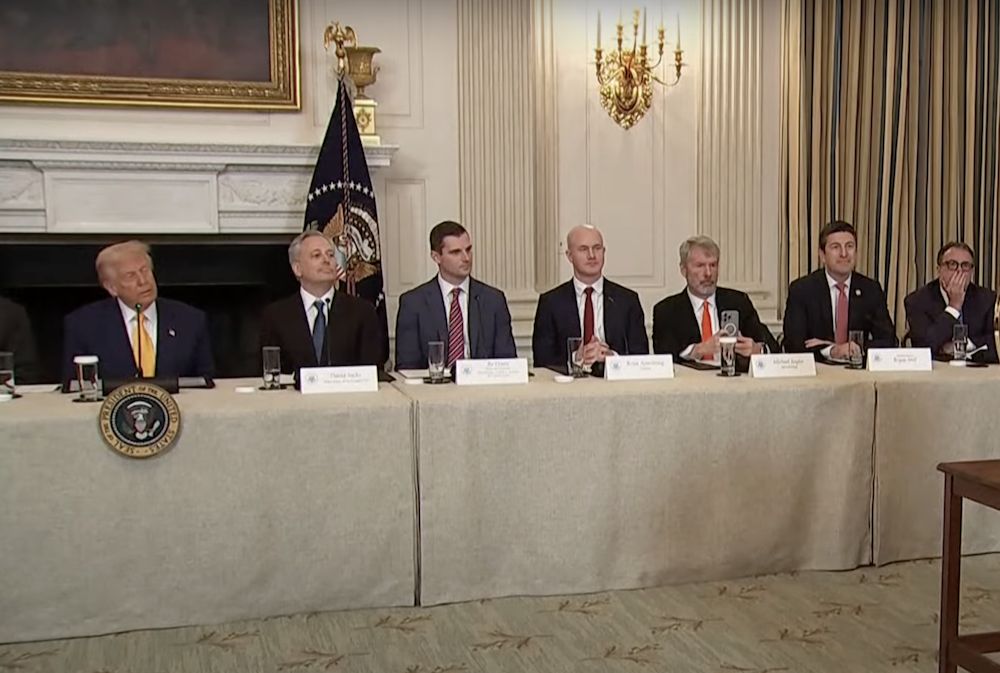
Advisors in the President’s Working Group on Digital Assets and industry executives met for the White House Crypto Summit in March. Source: The Associated Press
Why Is Stablecoin Regulation Important According to the Report?
The report highlights stablecoins as critical to maintaining US dollar dominance in digital payments. It notes that stablecoin issuers can collaborate with law enforcement to freeze illicit assets, a feature aligning them closely with central bank digital currencies (CBDCs). Despite urging Congress to prohibit CBDC development, the report underscores stablecoins’ growing role in the financial ecosystem.
What Tax Policies Does the Report Recommend for Cryptocurrencies?
The report recommends that Congress enact legislation treating digital assets as a distinct asset class with tailored tax rules. It emphasizes accommodating unique crypto features such as staking, proposing modified tax treatments similar to those for securities or commodities. This approach aims to provide clarity and fairness in crypto taxation.
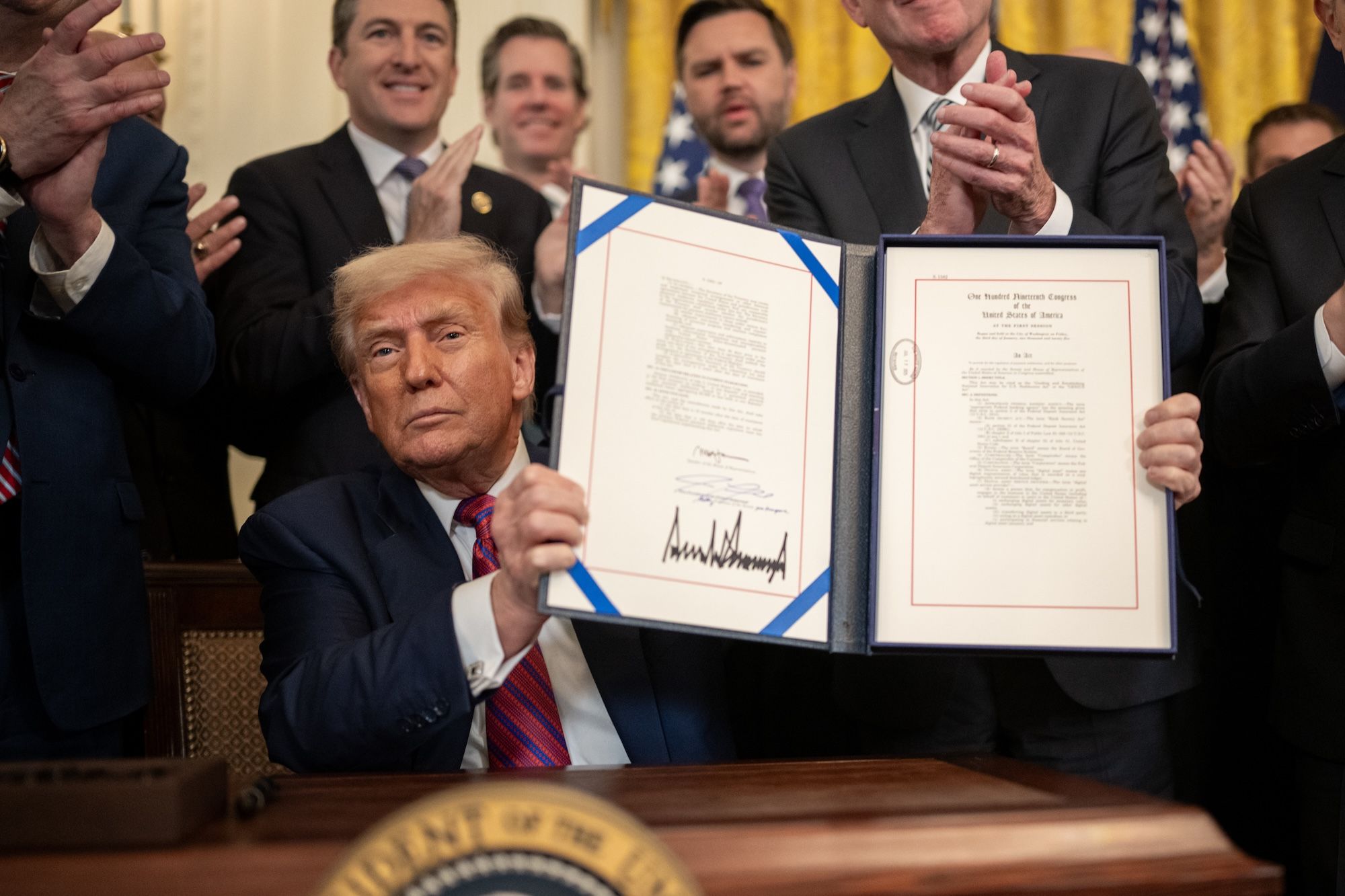
US President Trump signs the GENIUS stablecoin bill. Source: The White House
| Jurisdiction | Shared SEC and CFTC oversight | Clear market structure, investor protection |
| Banking | Eased chartering, crypto custody allowed | Enhanced crypto integration with banks |
| Taxation | Custom crypto tax policies | Fair and clear tax treatment |
What Is the Importance of a Clear Crypto Market Structure?
A clear crypto market structure is essential to position the US as a global leader in digital assets. By defining which tokens are securities or commodities and assigning regulatory oversight accordingly, the report aims to reduce uncertainty, encourage innovation, and protect investors from fraud and market manipulation.
How Will Banking Regulation Changes Affect Crypto Adoption?
Allowing banks to custody crypto and offer digital asset services will increase mainstream adoption by providing trusted financial institutions as custodians. Streamlining bank chartering will lower barriers for new entrants, fostering competition and innovation in crypto banking services.
Frequently Asked Questions
What agencies will regulate cryptocurrencies in the US?
The report recommends that the SEC oversee securities tokens, while the CFTC governs commodity tokens and spot crypto markets, creating a dual regulatory framework.
How will the new tax policies affect crypto investors?
New tax policies will treat digital assets as a unique asset class with tailored rules, simplifying compliance and addressing features like staking to ensure fair taxation.
Key Takeaways
- Dual Regulatory Oversight: SEC and CFTC share jurisdiction to clarify crypto market roles.
- Banking Reforms: Streamlined chartering and crypto custody will boost institutional adoption.
- Tax Clarity: Tailored tax legislation will address crypto-specific features like staking.
Conclusion
The US crypto regulation report lays a foundational framework by clearly defining regulatory roles, easing banking restrictions, and proposing specific tax policies. These measures aim to foster innovation, protect investors, and maintain the US’s leadership in the digital asset space. Continued legislative action will be critical to realizing these goals.





