
Bank of Korea official: Stablecoins require central bank backing

ChainCatcher News, according to Ledger Insights, at a stablecoin seminar involving both industry and academia, Yoon Seong-gwan, head of the Digital Currency Research Lab at the Bank of Korea, stated that stablecoins are not new currencies, but rather existing currencies tokenized and operated on distributed ledgers. "For stable operation, they will ultimately require the backing of central banks."
Recently, several banks in South Korea have formed a stablecoin exploration alliance, resulting in the postponement of the next phase of the central bank's tokenized deposit and wholesale CBDC pilot. The new government plans to introduce stablecoin-related legislation after the election. The initial draft limited the central bank's role in stablecoin regulation, but the current framework has been adjusted. The Bank of Korea has previously expressed reservations about stablecoins on multiple occasions.
Disclaimer: The content of this article solely reflects the author's opinion and does not represent the platform in any capacity. This article is not intended to serve as a reference for making investment decisions.
You may also like
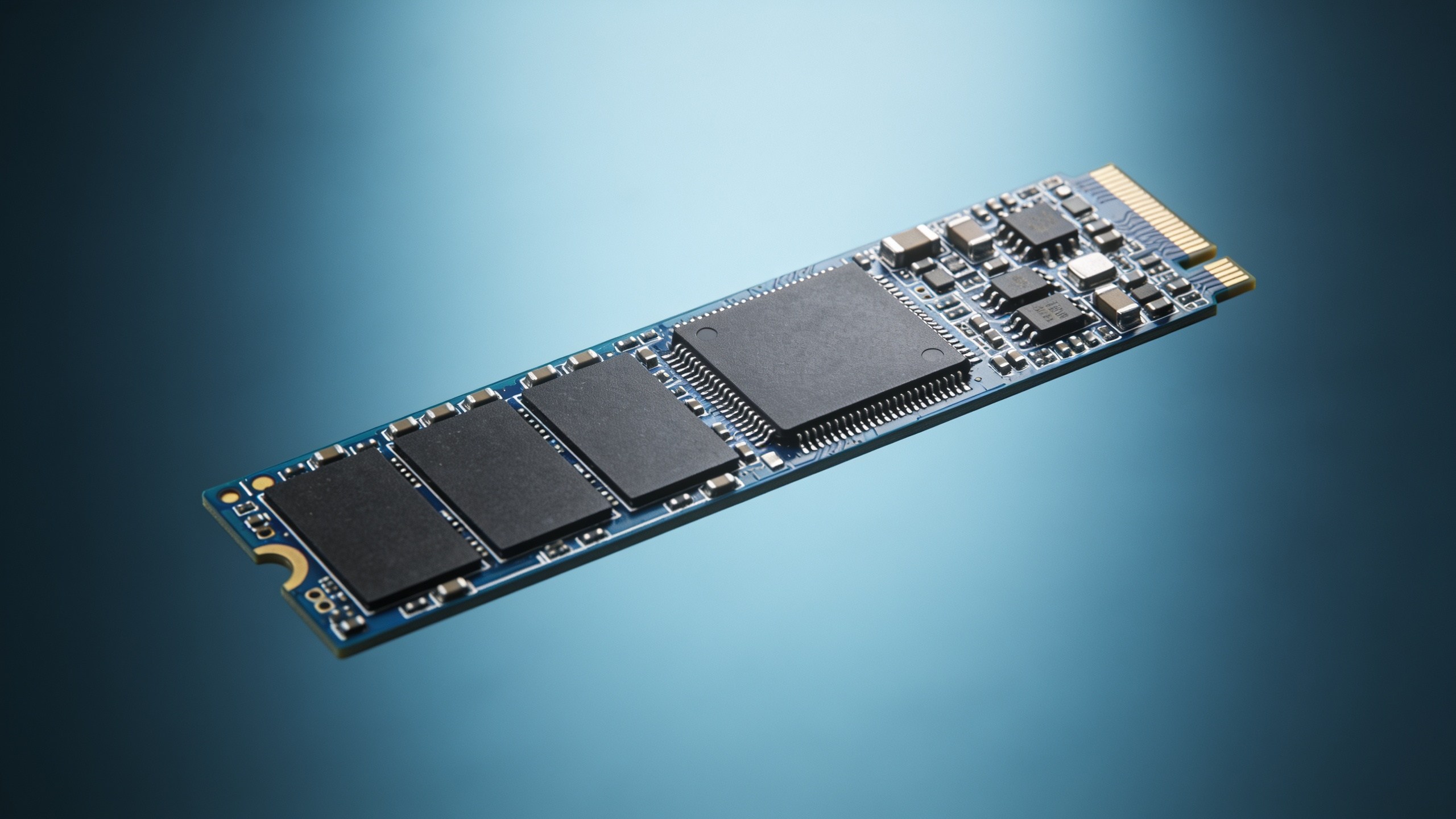
Storage stocks suffer growing pains from a narrative shift! Roundhill suggests a "barbell strategy": large-cap growth plus "halo stocks"
Drew Pettit, Chief Investment Strategist at Roundhill Investments, stated that the market does not favor stocks with a transitional narrative, and currently, storage stocks are in such an awkward position.
The largest single-week net purchase in fifteen years! Citadel analyst: Retail investors are buying AI stocks again
Retail investors are bottom-fishing AI stocks, with a net purchase of $9.1 billion in one week, marking a 15-year record! According to Citadel Securities data, funds are highly concentrated in semiconductors and AI infrastructure. However, this is not a broad-based buying frenzy, but rather a directional overweight, with buying skewed to the 90th percentile of the past year.
Australian Dollar climbs as Fed’s Williams push the brakes on rates
Microsoft adds over $130 billions in new data center leases, plans to more than double computing power
Microsoft plans to increase its global data center capacity from approximately 12 GW to over 38 GW. In a single quarter, it added over $130 billions in new lease agreements, bringing its total uncommitted lease commitments to $329.1 billions—a more than 67% increase over the previous quarter and the largest quarterly jump in leasing on record. This move is aimed at alleviating the long-term computing power bottleneck, as capacity shortages have already caused some customers to turn to competitors.
Crypto prices
More


