
Behind the Moore Threads Wealth Boom: Co-founder Li Feng's "Crypto" History

Before Moore Threads was listed on the STAR Market, Li Feng had another secret history in the crypto space.
Before Moore Threads went public on the STAR Market, Li Feng had a secret past in the crypto world.
Written by: 1912212.eth, Foresight News
On December 5, Moore Threads, known as "China's Nvidia," debuted on the STAR Market as the "first domestic GPU stock," opening at 650 yuan per share, a surge of 468.78% from its issue price of 114.28 yuan, with a total market capitalization exceeding 300 billions yuan.
This capital frenzy, where a single winning lot (500 shares) netted over 267,000 yuan, ignited enthusiasm in the A-share technology sector. It's worth noting that the online winning rate was only about 0.03635%, meaning roughly 2,750 applications were needed for one win.
What is little known is that Li Feng, co-founder of Moore Threads and dean of Moore Academy, a serial entrepreneur spanning chips, AI, and other fields, once found himself at the center of controversy in the crypto world.

The Wealth Legend of Moore Threads
The rise of Moore Threads is a microcosm of China's breakthrough in overcoming bottlenecks in the AI computing power sector. Since its founding in 2020, the company has completed eight rounds of financing, raising a cumulative total of over 9.498 billions yuan. More than 80 institutions, including Sequoia China, Shenzhen Capital Group, Tencent, and ByteDance, have backed the company, forming a "market-oriented VC/PE + state-owned venture capital + industrial CVC" golden combination.
Its core products, the "Sudi" and "Chunxiao" full-featured GPU chips, have been applied in national projects such as the Gui'an AI Computing Center, and have formed deep collaborations with industry partners like HET and Weixing Intelligence.
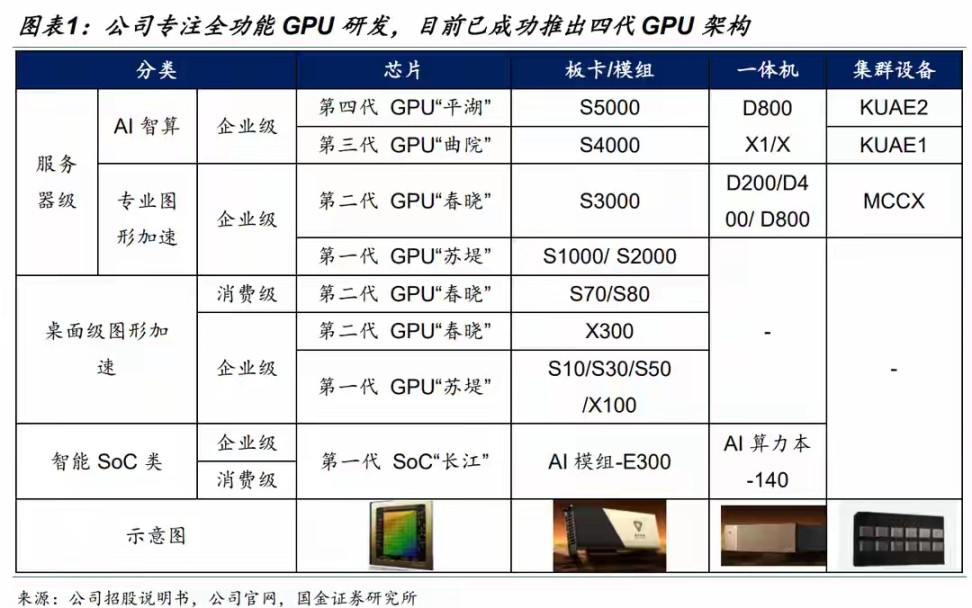
Despite the company's cumulative losses of 5.939 billions yuan from 2022 to 2025 and its gross margin not yet turning positive, the capital market still holds high expectations for it.
On the first day of listing, E Fund Management saw a book profit of nearly 1.9 billions yuan, while early investors such as Tencent and ByteDance enjoyed returns of over 35 times. Peixian Qianyao became the biggest winner of Moore Threads' IPO with a staggering 6,200-fold return.
Behind this wealth feast is the market's strong expectation for China's GPU industry to leap from "domestic substitution" to "global competition." At the listing ceremony, Li Feng stated: "The mission of Moore Threads is to enable China to have its own core technology in the field of graphics processing."
Li Feng is not only the co-founder of Moore Threads, but has also ventured into multiple fields, including the crypto world.
Crypto Past: The Absurdity and Controversy of Malegecoin
Li Feng claims that after graduating from Tsinghua University, he was involved in chips, 3D engines, artificial intelligence, gaming, smart hardware, VR/AR, digital agriculture, biomedicine, and other fields, founding and co-founding several technology companies.
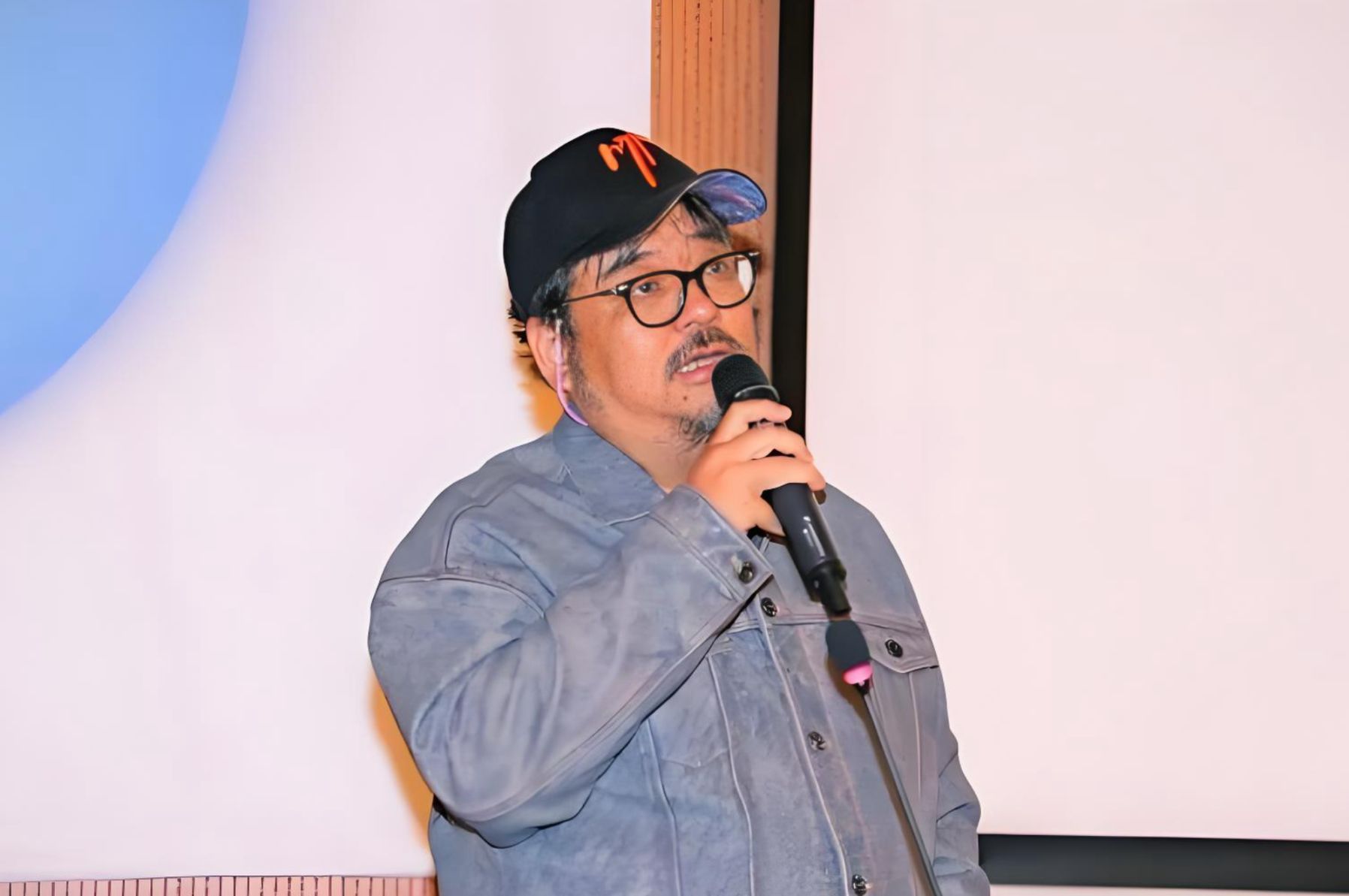
At Moore Threads, he is not only the co-founder but also serves as the dean of Moore Academy.
Before his rise to fame, Li Feng was embroiled in public controversy due to the "Malegecoin" (MGD) project.
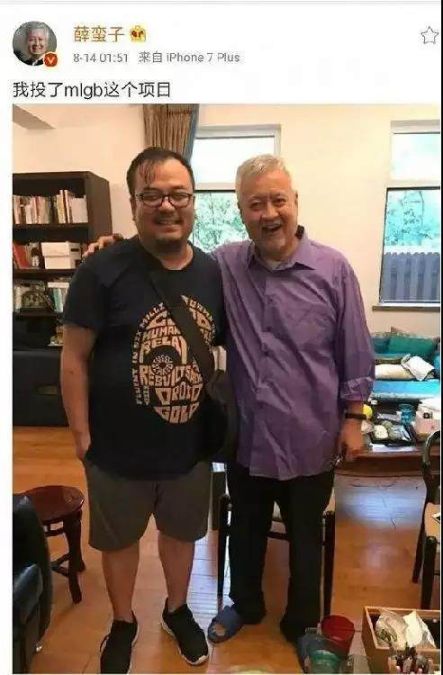
In 2017, Li Feng, together with Li Xiaolai, Xue Manzi, and other industry figures, launched the project, touting it as "the first modern performance art piece based on blockchain in human history," and raised 5,000 ETH through crowdfunding.
The project's white paper was filled with absurdity, claiming it would develop an AI cloud system, with each token linked to a self-learning "grass mud horse" robot. The system's surplus computing resources would supposedly increase the token's value; the token allocation plan even reserved 10% until the year 2100. The team background was packaged as "composed of CEO, CTO, CFO, PhDs, returnees, and investment bankers," but most were fictitious. Nevertheless, driven by industry hype, MGD completed its fundraising within a week of launch.
However, the project was soon summoned by authorities due to its sensitive (vulgar) name and was forced to change its name to "Alpaca Coin MGD."
As regulations tightened, the project's popularity faded, and the token price remained depressed for a long time.
In the end, this farce finally came to an end.
1,500 Bitcoins Borrowed and Not Returned, Now Worth $135 Million
If Malegecoin was the absurd footnote of Li Feng's crypto career, then the debt dispute with OKX founder Star pushed him into the vortex of moral controversy.
In June 2018, Star publicly accused Li Feng in his WeChat Moments of borrowing 1,500 bitcoins (worth about 80 million yuan at the time) and then refusing to repay or even disappearing. (According to sources cited by Foresight News, Li Feng has since repaid part of the funds.) He posted the loan contract and video evidence, calling Li Feng a "shameless scumbag," and announced lawsuits in both China and the US, applying for asset preservation.
NEO Wang Zhenfei, founder of Charging Network, commented: "It took me three years to get some of my money back from him. This person is absolutely a trashy rogue."
In mid-2018, BTC was only about $7,000, so these 1,500 BTC were worth about $10 million at the time. By December 2025, with BTC priced at around $90,000, the total value has soared to $135 million.
Li Feng responded in a group chat, claiming the loan was actually Star's investment in the MGD project, and that since the project did not launch, Star regretted it and wanted his money back.
Both sides stuck to their own stories.
Chinese law defines bitcoin as a "specific virtual commodity," and civil loan disputes still face enforcement difficulties. Star's debt collection efforts ultimately failed due to Li Feng's "disappearance" and issues of legal jurisdiction.
References:
Disclaimer: The content of this article solely reflects the author's opinion and does not represent the platform in any capacity. This article is not intended to serve as a reference for making investment decisions.
You may also like
Peter Schiff’s ‘$75K Bitcoin call’ meets a vital week: Fed, inflation, and ETF outflows loom

Deutsche Bank, which "accurately called the top" two weeks ago: Tech stocks need to "fall another 5%" to reach the "long-term trend bottom"
After Deutsche Bank downgraded its rating on US tech and large-cap growth stocks two weeks ago, tech stocks have underperformed the rest of the S&P 500 components by 12 percentage points. However, Deutsche Bank noted that tech stocks still have about 5 percentage points of downside before reaching the bottom of their long-term trend channel. Institutional positions have been quickly cooling, and signs of outflows from the $30 billion bottom-fishing funds are beginning to appear. Going forward, earnings performance, capital flows, and external risks will determine whether the adjustment stops at structural rotation.
Smart Trader 0xe813 Opens $63.88M ETH Long After Market Drop — 100% Win Rate
Bitcoin’s Midterm Election Curse — Four Cycles, Four Crashes
Crypto prices
More


