
Microsoft CEO warns: AI boom will depend on widespread adoption

Disclaimer: The content of this article solely reflects the author's opinion and does not represent the platform in any capacity. This article is not intended to serve as a reference for making investment decisions.
You may also like
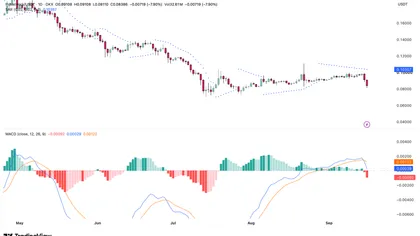
Will Pi Network face further losses? Why THESE signals say yes
Fed’s Hawkish Talons Shine, Bond Market Believes: US Treasury Yield Curve Flattens as Rate Hike Bets Heat Up
The bond market is showing increasing confidence that Federal Reserve Chairman Kevin Walsh will fulfill his commitment to curb inflation—currently, the inflation rate has exceeded policymakers' target level for five consecutive years.

"Hawkish Rate Hike"! Walsh's "Major Shift"
The Federal Reserve unanimously raised interest rates by 25 basis points in September, with Waller fulfilling his hawkish commitments through decisive action and making it clear that current financial conditions are not tight, and this hike only removes "some accommodation," using strong language. UBS believes that Waller's policy response function has undergone a substantial shift compared to his predecessor—he is more sensitive to inflation and supply shocks, less concerned about the labor market, and has set a higher threshold for restrictive policy. The risks are clearly tilted toward interest rates remaining elevated for a longer period.
Crypto prices
More


