
British Pound remains on the front foot vs JPY as Mideast risks counter intervention fears

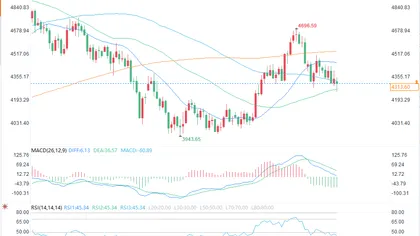
The GBP/JPY cross turns positive for the fourth straight day following an intraday dip to the 214.35-214.30 region on Thursday and draws support from a combination of factors. The British Pound (GBP) benefits from a mildly softer US Dollar (USD), which, along with the underlying bearish sentiment surrounding the Japanese Yen (JPY), continues to act as a tailwind for the currency pair.
Investors remain worried that Japan's economy will remain under strain amid the ongoing Middle East conflict and continued disruptions to energy supplies through the Strait of Hormuz. In fact, Iran announced the closure of the strategic waterway after the US launched a fresh wave of strikes across the country under orders from US President Donald Trump. This has been a key factor behind the JPY's relative underperformance and offering support to the GBP/JPY cross.
However, speculations that Japanese authorities might step in again to prop up the domestic currency hold back the JPY bears from placing aggressive bets. This, along with the divergent Bank of Japan (BoJ)-Bank of England (BoE) policy expectations, keeps the GBP/JPY cross below the 215.00 psychological mark and the weekly high set on Wednesday. Investors seem convinced that the BoJ will hike interest rates at its upcoming monetary policy meeting on June 15-16.
In contrast, traders have been scaling back their expectations for more aggressive rate hikes by the Bank of England (BoE) in reaction to softer UK consumer inflation figures and an unexpected rise in the UK Unemployment Rate. Furthermore, the UK political uncertainty, amid challenges to UK Prime Minister Keir Starmer's leadership, could act as a headwind for the GBP and contribute to capping the GBP/JPY cross, warranting caution before positioning for further gains.
Disclaimer: The content of this article solely reflects the author's opinion and does not represent the platform in any capacity. This article is not intended to serve as a reference for making investment decisions.
You may also like
As chip stocks plummet, "cybersecurity software" surges across the board, CrowdStrike and Palo Alto Networks hit new highs
CrowdStrike surged 13.8% in a single day to a record high, while Palo Alto Networks soared 13%. The software ETF outperformed the semiconductor ETF by more than 10 percentage points in a single day, marking the largest gap in history. Analysts believe that regardless of the pace of AI development, security demand will only continue to rise. Capital is accelerating its rotation from computing hardware to security software, with segments such as identity management and data governance expected to benefit first.
Altman can afford to wait, but Masayoshi Son can't: OpenAI will not go public this year, exposing a $20 billion gap and a credit weakness for SoftBank.
OpenAI has postponed its public listing, putting its largest external shareholder, SoftBank, in a liquidity crisis. This week, SoftBank is conducting a roadshow in New York, seeking to issue $10-20 billion in bonds to repay the $40 billion bridge loan previously borrowed to increase its investment in OpenAI. According to Bloomberg estimates, SoftBank faces a funding gap of at least $20 billion, and the yield on its existing U.S. dollar bonds has already exceeded 8.5%, with pricing approaching junk status.
Meeting postponed, gold price drops rapidly
The "first metaverse stock" bets on "AI-powered game creation"! Roblox (RBLX.US) competes for creator economy dividends, shares surge nearly 13%
On September 11, after Roblox announced new tools for game developers and features for players at its developer conference, the company's stock price rose by more than 12% on Monday.

Crypto prices
More


