
Bitcoin layer-2s confront harsh reality as Botanix shuts down Spiderchain after just one year

Botanix Labs is pulling the plug on Spiderchain, its Bitcoin layer-2 network, after roughly one year of mainnet operation. The phased shutdown, announced around June 10, 2026, gives users until July 9 to withdraw their assets before the Federation validator group takes over management of any remaining funds.
The project raised $11.5 million from investors including Polychain Capital and Placeholder. It processed approximately 25 million transactions across around 200,000 wallets. And it still couldn’t make the economics work.
The demand problem nobody wants to talk about
Botanix cited low demand for Bitcoin-native DeFi and programmable BTC use cases as the core reason for the shutdown. The network simply couldn’t generate enough fee revenue to cover its infrastructure costs.
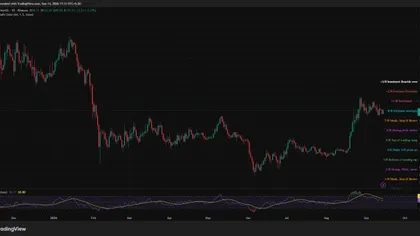
Bitcoin has been trading between $61,000 and $65,000 during 2026 sell-offs, a significant decline from the euphoric peaks of 2025. Non-BTC tokens have been particularly battered since late 2024, draining the speculative energy that many of these layer-2 networks depend on for user activity and liquidity.
Who survives and who doesn’t
Not every Bitcoin L2 is facing an existential crisis. The Lightning Network continues to operate as the default payment-focused scaling solution. Stacks, which has built a more established developer ecosystem, remains active. Rootstock, Liquid Network, Merlin Chain, Citrea, and Bitlayer are all competing for their respective niches.
Analysts have noted a broader shift in builder focus, with some questioning whether substantial demand exists for advanced programmability on Bitcoin when Ethereum already offers mature yield and borrowing mechanisms.
What this means for investors
Transaction volumes, active wallet counts, and fee revenue are the vital signs that determine whether a network is approaching sustainability or slowly bleeding out.
The July 9 deadline for Spiderchain asset withdrawals is worth watching as a case study in how orderly shutdowns happen in crypto. Any assets not withdrawn by that date will be managed by the Federation validator group, a setup that introduces counterparty risk that users presumably signed up for a decentralized network to avoid.
Disclaimer: The content of this article solely reflects the author's opinion and does not represent the platform in any capacity. This article is not intended to serve as a reference for making investment decisions.
You may also like
Cardano Price Today Stalls at $0.21 While Minswap Fees Jump 92%

Zcash price slips from $1,300: could ZEC fall to $850 before targeting $2,500?

SecondFI reveals asset recovery tool following June’s Cardano wallet exploit
Solana price holds $100 as it nears symmetrical triangle breakout
Crypto prices
More


