
Glass substrates are not a materials story, but a battle of process integration

Glass Substrate is Not a Materials Story, But a Battle of Process Integration
LPKF currently holds about 80% of the glass through-hole market, but the CEO expects this to drop to around 70% as competition intensifies. He believes that the TGV process itself is no longer the bottleneck for glass substrate ramp-up; the real yield loss comes at the subsequent steps of copper filling and metallization.
Content Summary
LPKF currently holds about 80% of the glass through-hole market, but the CEO expects this to drop to around 70% as competition intensifies. He believes that the TGV process itself is no longer the bottleneck for glass substrate ramp-up; the real yield loss comes at the subsequent steps of copper filling and metallization.
The CEO sees TRUMPF as their greatest threat. TRUMPF, in cooperation with SCHMID, offers a full production line from copper seed layer to electroplating filling, with stronger vertical integration. Philoptics is deeply embedded in the Korean ecosystem, while Chinese companies are rapidly catching up. Regarding panel-level packaging, the CEO firmly believes that PLP will ramp up 100% in parallel with glass substrates. This differs from the public timelines of companies like TSMC, but the aggressive plans from SEMCO and Absolics do support this view.
Glass Substrate: A Conversation with LPKF’s CEO
I spoke with LPKF’s CEO. Here’s what I’ve learned and why I am now more optimistic.
Introduction
This is exactly why LPKF has emerged as a leader. The company’s core LIDE technology uses laser and chemical etching to manufacture TGVs with extremely high precision. Because of this, LPKF has become one of the most closely-watched small-cap companies in the glass substrate supply chain.
For an in-depth and comprehensive analysis of LPKF, including its technology, valuation, and investment logic, you can read my previous article:
Semiconductor Bottleneck Microcaps
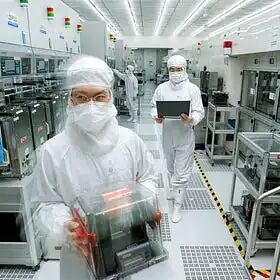
Over the past few months, I have been researching several companies in the semiconductor supply chain, especially those facing current bottlenecks and even more interesting future bottlenecks.
Read the full report
Market Share
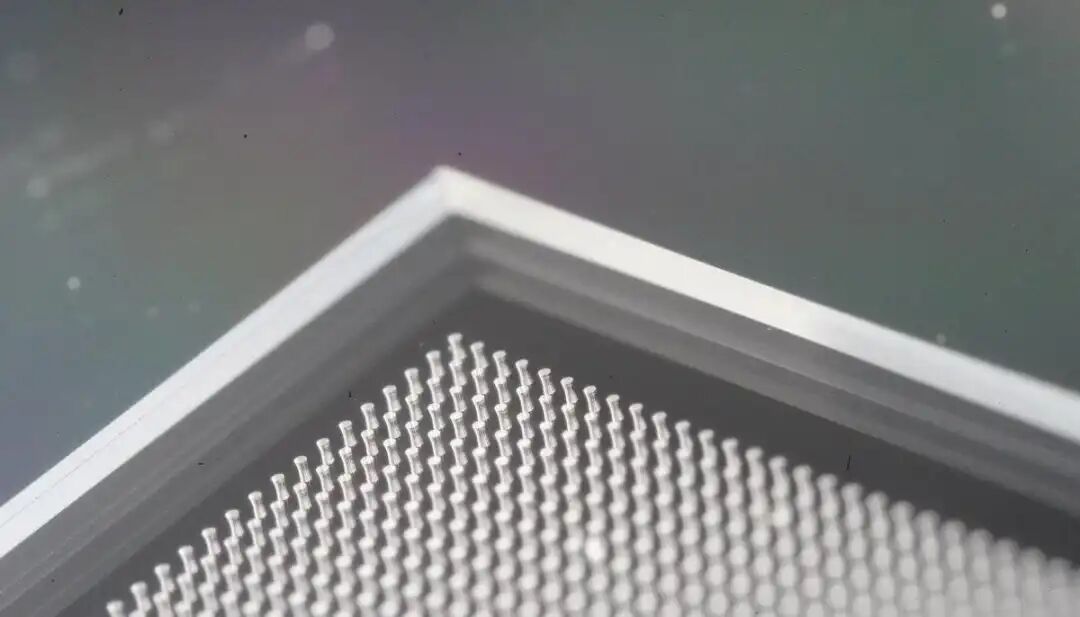
The CEO told me that they hold 80% market share in the TGV space, but expect this number to fall to 70%. Even so, this figure is still quite astonishing.
I then asked how the company would finance production of all these machines if they had such market share.
The reason I asked is that their balance sheet is not very robust against risk.
Capital Expansion
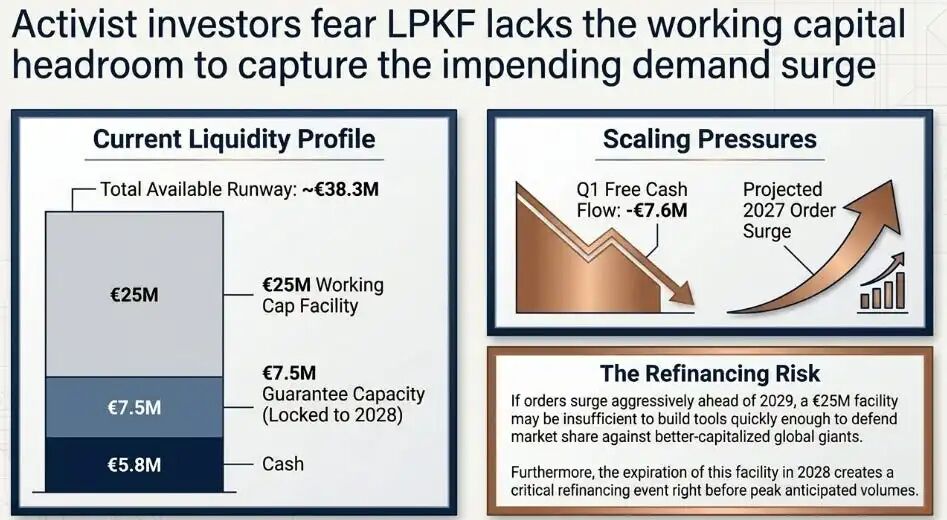
First quarter free cash flow was -€7.6 million; they hold €5.8 million in cash, and inventory has ramped prior to delivery. The syndicated loan offers €25 million in working capital—which exists precisely because tool ramp-up absorbs working capital.
This is why activist investors are pushing for a capital raise. They believe €25 million in working capital is not enough for the company to accelerate product development and seize market share before SCHMID, TRUMPF, and domestic firms scale up.
Fiedler’s response is that LPKF can achieve expansion with very little funding. In other words, their existing facilities, 1.4 order-to-shipment ratio, and the North Star cost reduction plan allow them to hit targets without diluting equity.
The risk he is taking on is clear: if orders surge in 2027, the company could be constrained by working capital and unable to build enough machines when the window opens.
Disclaimer: The content of this article solely reflects the author's opinion and does not represent the platform in any capacity. This article is not intended to serve as a reference for making investment decisions.
You may also like
Gold gets squeezed by 5% Treasury yields as FOMC week begins
Addus Advances M&A Strategy With Deal for AccentCare Personal Care Business
Bitcoin tops $79K, oil falls as Trump says Iran war could end
Stellar Advances Institutional Stablecoin Transfers

Crypto prices
More


