
The Real Reason for Google AI Talent Loss: Equity Incentives Before IPO

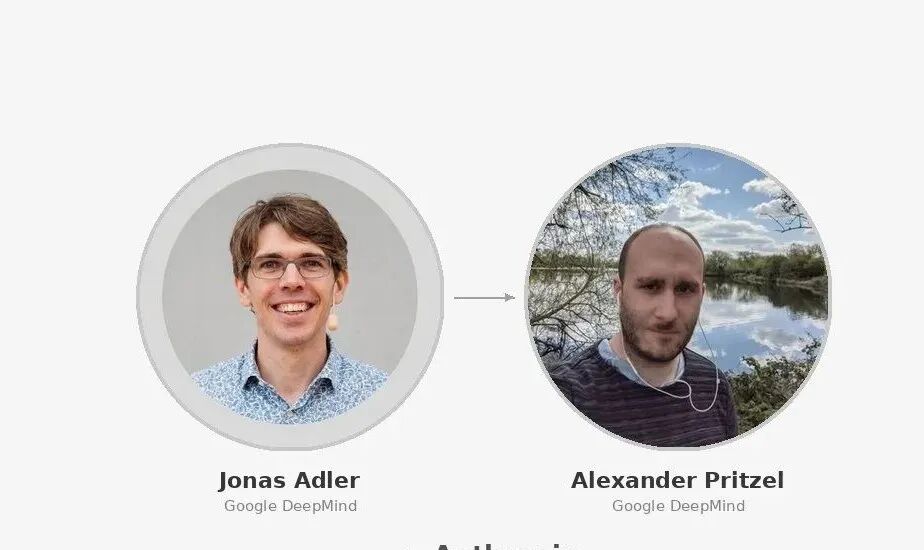
At Google, with a market cap of over $4 trillion, employees receive restricted stock units that may have room for appreciation, but the upside is limited. In contrast, jumping to startups like Anthropic or OpenAI, which are expected to go public in 2026–2027, means the opportunity to obtain a significant amount of early-stage equity at a very low cost.Once the company goes public, wealth could multiply several times, or even dozens of times.
A typical case is Noam Shazeer: in 2021, he left Google to found his own company. Three years later, Google spent $2.7 billion to “buy him back,” earning him hundreds of millions of dollars personally; now he has switched to OpenAI, which has secretly filed for an IPO, once again betting on the next round of exponential growth.
Top AI talents may talk about “building the future,” but the reality is whoever offers more future equity has the power to keep them. For Google, this isn’t just a technical competition—it's a wealth game about “expected returns.”



Disclaimer: The content of this article solely reflects the author's opinion and does not represent the platform in any capacity. This article is not intended to serve as a reference for making investment decisions.
You may also like
Property Insurance MGU Unicorn Bamboo Insurance (BMB.US) IPO Priced at $18-20 per Share, Valuation Up to $3.13 Billion
Bamboo Insurance's first public offering (IPO) in the US targets a maximum valuation of $3.13 billion. The selling shareholders plan to issue 35 million shares at a price of $18 to $20 per share, aiming to raise up to $700 million.

Stocks Fall Pre-Bell Amid AI Safety Warnings; Investors Await Fed Rate Decision
As global tungsten prices surge, U.S. mining company Almonty Industries (ALM.US) quickly acquires a tungsten mine in Rwanda to ease supply shortages.
U.S. mining company Almonty Industries has signed a tungsten mining agreement in Rwanda, expanding Western supply.


Crypto prices
More


