
Is Meta Selling AI Computing Power an Admission of Defeat or a Game-Changer? Wall Street Opinions Split

Meta's plan to explore selling idle computing power has sparked sharply different interpretations on Wall Street. Is this a pragmatic retreat after setbacks in AI ambitions, or a strategic breakthrough in converting massive infrastructure investment into a new source of profit?
According to reports, Meta is planning to offer its idle computing resources for external sale. Once the news was out, Meta’s stock price surged 9% in a single day on Wednesday, marking its best one-day performance in over a year and providing a much needed boost to this year’s persistently pressured stock. The company declined to comment on the relevant reports.
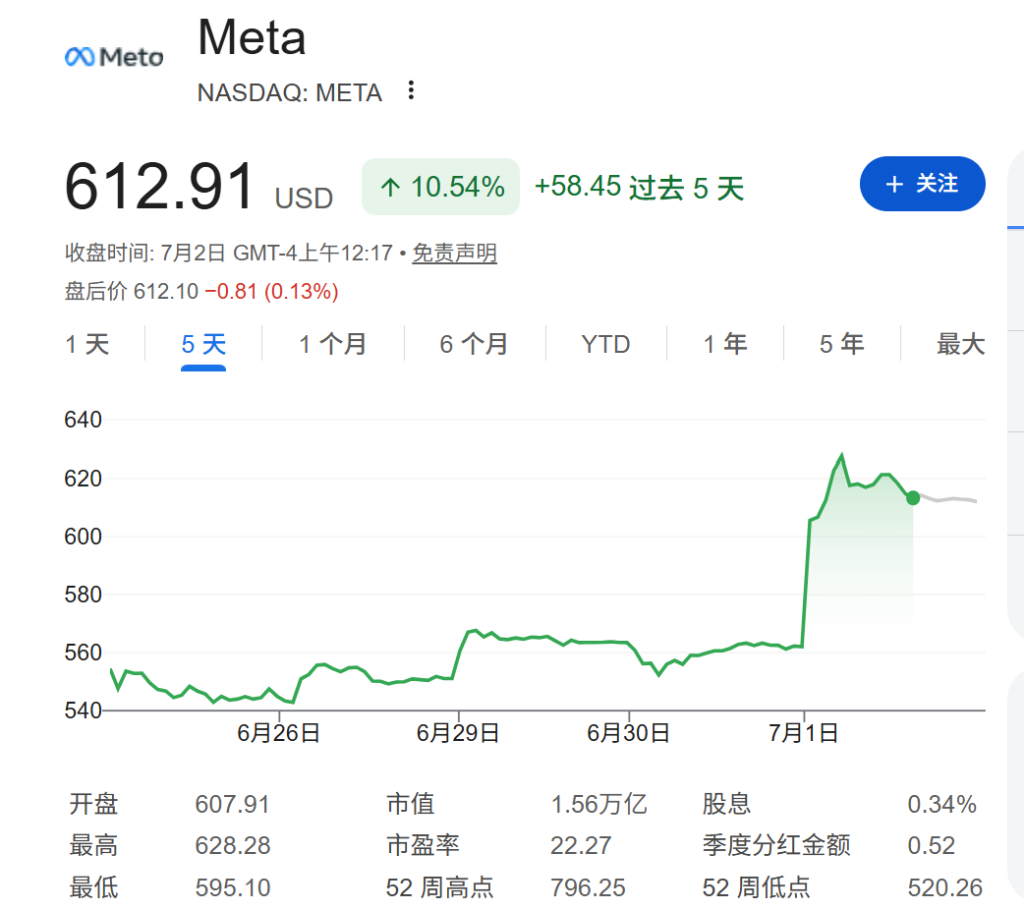
This move is significant for investors. Meta's free cash flow is projected to record a negative value of over $1 billion in the second quarter of this year. According to FactSet data, this figure is expected to deteriorate significantly in the coming years. If the sale of compute power materializes, it could directly improve the company’s cash flow and offer partial returns for its hefty $145 billion annual capital expenditures.
Pessimists: Internal AI Product Growth Lags Expectations
D.A. Davidson analyst Gil Luria takes a cautious view on this. He believes that Meta’s move to sell compute power signals that the company is “abandoning the frontier AI” track. Since the establishment of Meta Superintelligence Labs last year, the company has launched the new Muse Spark model, yet still lags behind Anthropic and OpenAI in terms of model competitiveness.
Baird analyst Colin Sebastian also sounds a warning. He notes that Mark Zuckerberg previously hinted the company would consider selling compute power only if it had “overbuilt” its AI infrastructure. Thus, if Meta truly launches a cloud service platform, it might mean that the scale-up of its internal AI products hasn’t met expectations. However, Sebastian also admits that, against the backdrop of Meta’s ongoing AI investment ramp-up, building a cloud platform is itself a “rational” choice — after all, unlike Amazon or Alphabet, Meta has traditionally not sold computing resources to third parties, which has limited its profit margins and economies of scale.
Jackson Square Capital founder Andrew Graham takes a similar stance. In an interview with MarketWatch, he said that Meta’s decision to sell idle compute power “helps monetize its massive AI infrastructure investments and improves free cash flow expectations — a metric otherwise expected to turn sharply negative in the coming years.”
Optimists: Monetizing Idle Capacity to Fuel More Investment
Jefferies analyst Brent Thill offers a distinctly different view. In a Wednesday research note, he stated that criticizing the sale of compute power as “overbuilding” is “putting the cart before the horse” since current market demand for compute still far exceeds supply.
Citing Jefferies industry research data, Thill points out that Meta’s current internal infrastructure utilization rate is about 65%, leaving roughly 35% of capacity idle. Selling this portion externally would directly boost overall utilization, improve return on investment, and bolster cash flow, providing ammunition for further capital expenditures rather than signaling a pullback. Last year, Zuckerberg mentioned in an earnings call that he expects Meta to be able to rent out surplus compute power at “some kind of premium.”
Thill concludes that Meta is “not exiting the AI race, but rather turning early aggressive capacity commitments into a strategic value creation option.”
Cloud Computing Market Faces a New Variable
No matter how Wall Street interprets Meta’s motives, this potential move directly impacts existing cloud computing players. Following the Bloomberg report, shares of cloud compute providers CoreWeave and Nebius immediately fell, reflecting market concerns over new entrants potentially squeezing existing market shares.
Meta’s next move will largely reveal the true answer to this “offensive or defensive” debate. For investors, the focus is on whether the company can successfully transform its infrastructure cost center into a revenue stream, while maintaining its competitive position at the forefront of AI.
Disclaimer: The content of this article solely reflects the author's opinion and does not represent the platform in any capacity. This article is not intended to serve as a reference for making investment decisions.
You may also like
High interest rates are not the "end" of US stocks? Is profitability the real key?
JPMorgan believes that profit growth is the key factor determining the resilience of U.S. stock valuations. Data since 1950 shows an "inverted U-shaped" relationship between the 10-year U.S. Treasury yield and S&P 500 valuations. Based on current profit levels, yields would need to reach about 5%-6% to significantly compress valuations. As long as profit growth remains above 15%, there is still room for valuations to be re-rated. If the yield curve steepens in a bear market, cyclical sectors such as energy and financials will benefit more; if it flattens, technology stocks will have a relative advantage.
The "Outlier" Investment Art in the New Era of Berky

Chevron (CVX.US) explores alternative hedging for Middle East supply disruptions: targets Argentina and the Mediterranean to drive global LNG growth, seeks deal with India
Chevron is focusing on Argentina and the Mediterranean region, seeking global growth in liquefied natural gas, and plans to reach an agreement with India.

Expert Drops a Bullish Yet Scary Prediction for ETH Price in 2027, $10,000 ATH to $800 Black Swan Event?

Crypto prices
More


