
Bitcoin exchange deposits hit rare extreme as 49,000 BTC floods trading platforms

Nearly 49,000 BTC landed on exchanges in a single day on June 30, a volume so unusual that CryptoQuant labeled it “a rare extreme” that has only occurred four other times in 2026. When that much Bitcoin moves toward the sell button simultaneously, the market tends to get interesting, and not always in the fun way.
The on-chain analytics firm’s weekly report, dated July 2, highlighted the spike as a potential precursor to heightened volatility. Bitcoin was hovering around the $60,000 support level at the time, a price zone that has historically acted as a trapdoor when paired with aggressive exchange inflows.
Whales are driving the bus
Here’s the thing about this particular inflow event: it wasn’t a swarm of retail traders panic-selling their fractional holdings. The average deposit size roughly doubled, climbing from about 1 BTC to 2 BTC per transaction.
Bitcoin wasn’t the only asset seeing heavy exchange traffic. Ethereum inflows surpassed 1.25 million ETH during the same late-June window, while daily altcoin deposit transactions surged to nearly 45,000, a two-month high. When multiple asset classes simultaneously see elevated exchange deposits, it typically signals broader portfolio rebalancing rather than an isolated move in one token.
The historical playbook isn’t encouraging
CryptoQuant’s data provides useful context for what happened after previous inflow extremes this year. The largest single-day inflow of 2026, approximately 60,000 BTC on February 6, preceded a period of notable price volatility. Another elevated inflow cluster appeared in April when Bitcoin was trading near $76,000, and that too was followed by choppy, directionally uncertain price action.
With Bitcoin now testing $60,000, which is roughly 21% below the April levels that coincided with the prior inflow spike, the current setup looks more fragile than those earlier episodes.
The CryptoQuant report also flagged macroeconomic crosswinds as a complicating factor. ETF flows, which have been a dominant narrative throughout 2026, can amplify or dampen on-chain signals depending on whether institutional money is flowing in or out of spot Bitcoin products.
What this means for investors
Exchange inflow data is a leading indicator, not a guarantee. Not every deposit results in a market sell order. Some coins move to exchanges for margin collateral, derivatives trading, or simply custody reshuffling. But at the aggregate level, spikes of this magnitude have a strong historical correlation with increased volatility and downward price pressure in the near term.
The concentration of whale-sized deposits makes the current signal more significant than a retail-driven inflow of the same magnitude would be. Large holders tend to be more strategic about execution, meaning they may spread selling over days or weeks rather than dumping everything at once.
For traders, the $60,000 level becomes the line in the sand to watch. A decisive break below it on elevated volume could trigger cascading liquidations across leveraged positions, accelerating any downside move.
Disclaimer: The content of this article solely reflects the author's opinion and does not represent the platform in any capacity. This article is not intended to serve as a reference for making investment decisions.
You may also like
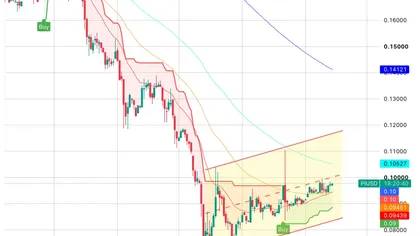
Pi Network Price Prediction: Can PI Hold Its Wedge Breakout Before the Upgrade?
As AI controversies escalate, hedge funds buy tech stocks at the fastest pace in 15 months
Hedge funds have recorded net purchases of US TMT stocks on 10 out of the past 11 trading days, rebuilding tech long positions at the fastest pace in 15 months. However, an AI policy storm has struck at the "worst possible time"—calls by AI giants to slow down development have been rejected, and regulatory uncertainty has directly hit Asian tech stocks such as Softbank. As the tech sector's bullish run coincides with Super Central Bank Week, the sector now faces a severe test.
Apple Pre-sale Tracker: iPhone 18 Pro Series Shows Weak Overseas Demand Signals, Duo Review Positive but Hardware Lags Behind
According to a survey by Jefferies, after the launch of the iPhone 18 Pro, delivery wait times in the four major markets—the US, UK, Germany, and Japan—have shortened by 5 to 11 days compared to last year, with no wait time in the US. Given stable production capacity, this is a clear sign of weak demand. Although the China and Hong Kong markets have performed better against the trend, there are still suspicions of speculative stockpiling. The new foldable Duo has been praised for its software experience, but its $2,000 price tag comes with a 254-gram body and dual-camera setup, leaving its hardware lagging significantly behind Android competitors. Jefferies maintains an "underperform" rating, with a target price implying a 21% downside from the current level.
SUI holds $0.71 support as analysts cite key buy signal, eyes on possible recovery
Crypto prices
More


