
Western Union launches StableCard for instant remittance spending across 37 markets

Western Union just did something that would have sounded like science fiction a decade ago. The company that built its empire on telegraph wires and physical cash pickups is now letting people receive remittances as stablecoins and spend them instantly with a Visa card.
The product is called StableCard, and it launched on August 4, 2026, across 37 markets. It pairs a self-custody-style digital wallet with a Visa-backed spend card, letting recipients hold and transact in USDPT, a dollar-backed stablecoin built on Solana. Western Union plans to expand to over 60 markets by year’s end.
How the StableCard actually works
Here’s the setup. Someone in, say, New York sends money through Western Union. Instead of the recipient walking to a pickup location or waiting for a bank deposit, the funds land directly in a USDPT wallet on the recipient’s StableCard. No delays, no conversion fees eating into the transfer at the last mile.
The recipient can then spend those stablecoins anywhere Visa is accepted. The card also works with Apple Pay and Google Pay, which means tap-to-pay at a corner store in Lagos or Manila is now functionally identical to tapping your phone at a Starbucks in Brooklyn.
USDPT itself is issued by Anchorage Digital Bank, a federally chartered crypto bank, and lives on the Solana blockchain. The token is backed 1:1 by USD reserves. The wallet and card infrastructure comes through a partnership with Rain, which handles compliance and operational logistics across the various markets.
Why this matters for emerging markets
The StableCard lets users hold funds in a dollar-pegged stablecoin, giving recipients in places like Argentina, Nigeria, or Turkey a way to preserve purchasing power without needing a US bank account. They hold USDPT until they’re ready to spend, and the conversion happens at the point of sale rather than at the point of receipt.
The road to StableCard
Western Union first announced USDPT and its Digital Asset Network, known internally as DAN, back in October 2025. The idea was to build a bridge between traditional payment rails and on-chain infrastructure.
USDPT went live in May 2026, giving the company a few months to test the token in production before layering the card product on top. Western Union previewed the StableCard during its Q1/Q2 2026 earnings commentary, signaling to investors that digital assets were becoming a core part of its strategy rather than a side experiment.
The choice of Solana as the underlying blockchain is notable. The network has positioned itself as the go-to chain for payments-oriented applications, thanks to low transaction fees and fast settlement times.
Anchorage Digital Bank’s role as the issuer adds a layer of institutional credibility. As a federally chartered bank, Anchorage operates under a regulatory framework that most stablecoin issuers can’t match.
Disclaimer: The content of this article solely reflects the author's opinion and does not represent the platform in any capacity. This article is not intended to serve as a reference for making investment decisions.
You may also like
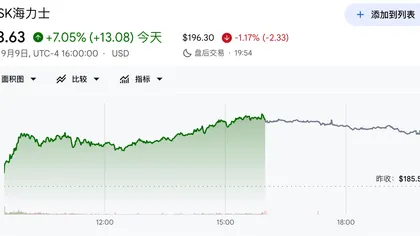
SK hynix US stocks surge to new highs, storage sector strengthens across the board! Goldman Sachs declares: The worst days are over
A Goldman Sachs research report ignited the storage sector, with SK Hynix soaring 7% on the US stock market in a single day to a record high. Micron and SanDisk also rose in tandem, outperforming the broader market. Goldman Sachs pointed out that a technical breakout in the storage sector, combined with low hedge fund positions, has shifted the "pain trade" direction upward. However, on the same day, the CEO of Kioxia poured cold water on the rally, stating bluntly that NAND "prices have risen enough." Amid this tug-of-war between bulls and bears, Micron's September 30 earnings report will be a key deciding factor.
Report: OpenAI expected to spend $750 billion on computing power by 2030! The company still states that "computing power is extremely insufficient"
OpenAI has raised its 2030 computing power expenditure forecast to $750 billion, an increase of more than 25% compared to the previous estimate of around $600 billion. Bottlenecks exist in multiple supply chain segments such as chips, electricity, and land. Whether massive orders can be converted into usable computing power on schedule has become a key test for the AI infrastructure sector.
Trump presses the Federal Reserve to "cut rates to save the economy," but the market is betting on a 60% probability of a rate hike in September
Ahead of the Federal Reserve’s September monetary policy meeting (scheduled for September 15-16), U.S. President Trump and senior administration officials have made intensive statements, urging the central bank not to raise interest rates and even calling for a cut in the benchmark rate.

Crypto prices
More


