
Trump says US-Iran negotiations are productive, easing supply concerns and lowering oil prices
 智通财经2026/10/09 07:36
1. Oil prices fell on Friday as concerns over Middle Eastern supply eased. U.S. crude oil dropped by as much as 1.4% to $90.19/barrel, while Brent crude oil fell by up to 1.2% to $102.67/barrel. Previously, U.S. President Trump stated that there would be no attack on Iran before next month's midterm elections and mentioned that the two countries were having "productive" negotiations to end the war. 2. However, Brent crude is expected to rise on a weekly basis, closing Thursday up 4%, due to the oil tanker attack incident in the Middle East earlier this week. WTI crude may see a slight weekly decline, even as the U.S. Gulf Coast faces supply disruptions caused by hurricanes. 3. On Thursday, Trump said that the U.S. is engaged in "productive discussions" with Iran and that there are no plans to launch an attack before the November 3rd Congressional midterm elections. On the same day, Iran’s Tasnim News Agency reported that Iranian Foreign Minister Araqchi said Tehran is reviewing the U.S. response to its proposal aimed at reopening the Strait of Hormuz within seven days. 4. The U.S. continues to put economic pressure on Iran, seeking to end the conflict that has persisted for nearly eight months. On Thursday, the U.S. imposed a new round of sanctions on Iran, targeting individuals, networks, and 17 vessels involved in transporting Iranian crude oil, refined petroleum products, and petrochemicals. 5. Oil prices have been highly volatile this week due to escalating threats to oil transportation in the Gulf region and the Strait of Hormuz since October. The oil market is also facing the impact of Hurricane Isaias in the Gulf of Mexico. According to the U.S. Bureau of Ocean Energy Management, as of Thursday, oil producers in the region have shut in about 1.3 million barrels/day of capacity, accounting for 62.9% of current crude production due to the hurricane.
Disclaimer: The content of this article solely reflects the author's opinion and does not represent the platform in any capacity. This article is not intended to serve as a reference for making investment decisions.
You may also like
U.S. bank stocks face the Q3 earnings test: stock trading supports performance, but AOCI unrealized losses and buyback slowdown emerge as potential concerns
According to Jinse Finance, several major Wall Street banks will begin releasing their Q3 financial reports next week. Overall, the main focus of these earnings reports is clear: while stock trading revenue is expected to reach historic highs, the combination of declining fixed income, a cooling capital markets environment, and mounting pressure from AOCI (Accumulated Other Comprehensive Income) unrealized losses will cause much greater divergence among bank stocks compared to the first half of the year.
Germany will prioritize the release of diesel and heating oil, up to 15 millions barrels of oil and products.
German Minister of Economy: Priority will be given to releasing diesel and heating oil, followed by crude oil. Germany will release up to 15 million barrels of oil and petroleum products.
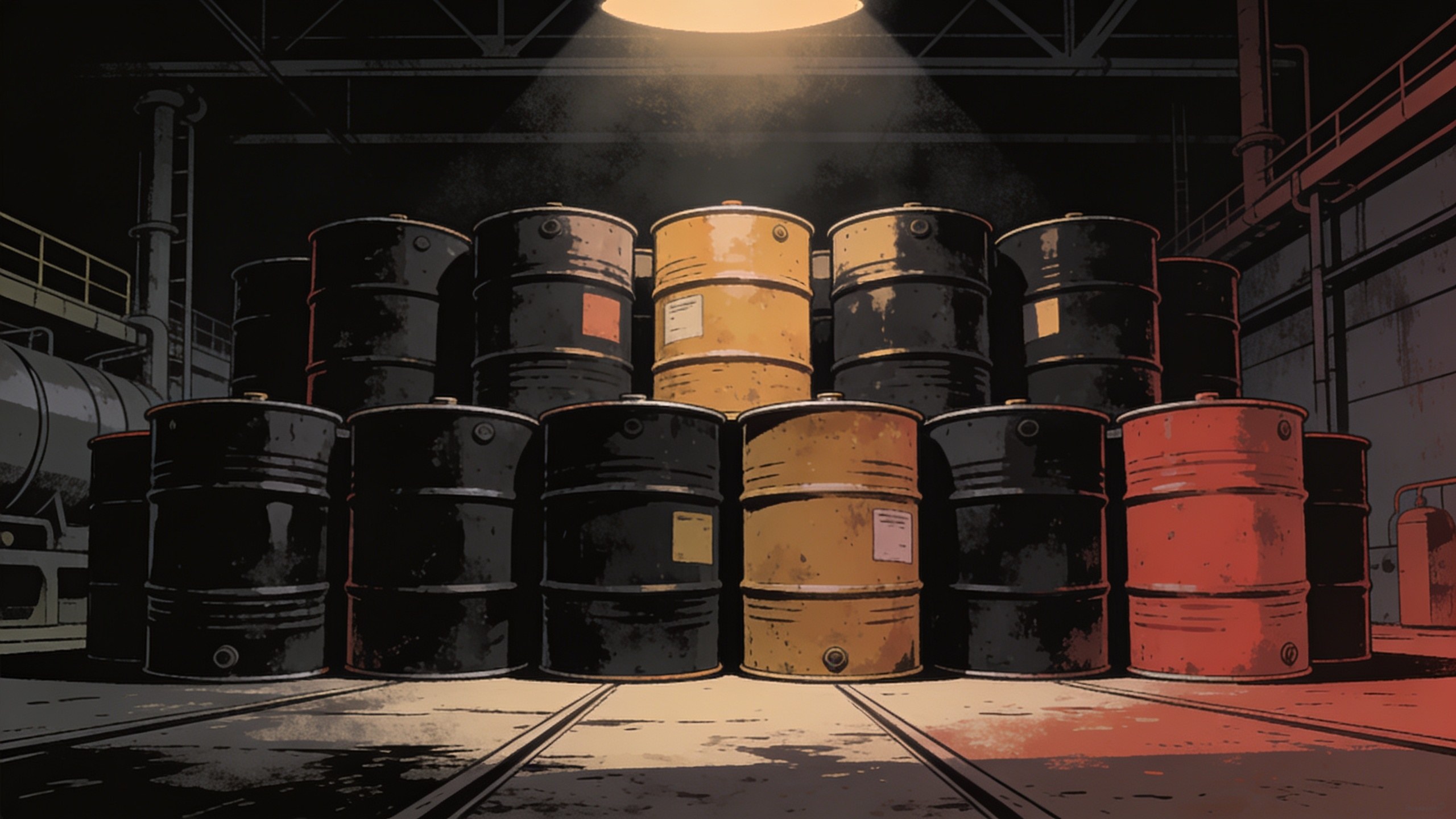
Germany will prioritize the release of diesel and heating oil to ensure energy supply security.
The German Minister for Economic Affairs stated that German refineries are the most important assets for energy supply security. Priority will be given to releasing diesel and heating oil, followed by crude oil. The entire supply chain must always be considered, as crude oil alone is not sufficient.
Germany releases strategic oil reserves, prioritizing diesel and heating oil
(1) The German Ministry of Economic Affairs announced on Friday that it will release up to approximately 15 million barrels of oil and petroleum products. (2) This move follows the G7's agreement to collectively release about 100 million barrels of emergency diesel and crude oil reserves. (3) German Minister for Economic Affairs Habeck stated that diesel and heating oil will be released first, followed by crude oil. (4) She affirmed that Germany will fully implement the relevant G7 agreement. (5) Habeck also emphasized that the entire supply chain must always be considered, and merely having available crude oil is not sufficient. (6) She added that German refineries are the most important assets for ensuring energy supply security. (7) Previously, the United States pressured the European Union to reduce emergency diesel inventories and warned that failure to act could result in restricted diesel exports. (8) From a market perspective, this measure will help alleviate short-term refined oil supply shortages, but the pace of release and coordination with refining capacity remain key factors. (9) Continued attention will be paid to the progress of releases by other G7 members and the impact on refined oil crack spreads.
Crypto prices
More


