
Despite frequent positive news, why does the yen remain unresponsive?

Morning FX
In the past two weeks, Europe has been stuck in the mud, with EURUSD showing little life. However, in the G10, the true underperformer is someone else—JPY.Entering October, USDJPY has been fluctuating within an extremely narrow 100-pip range around 158, with 1M volatility falling to the lowest level since August.
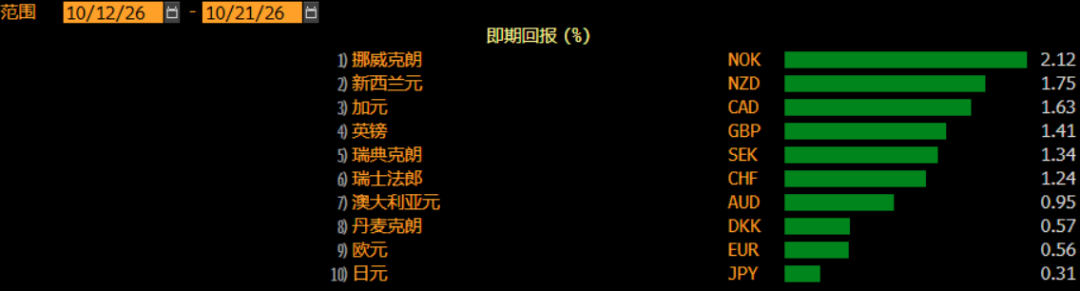
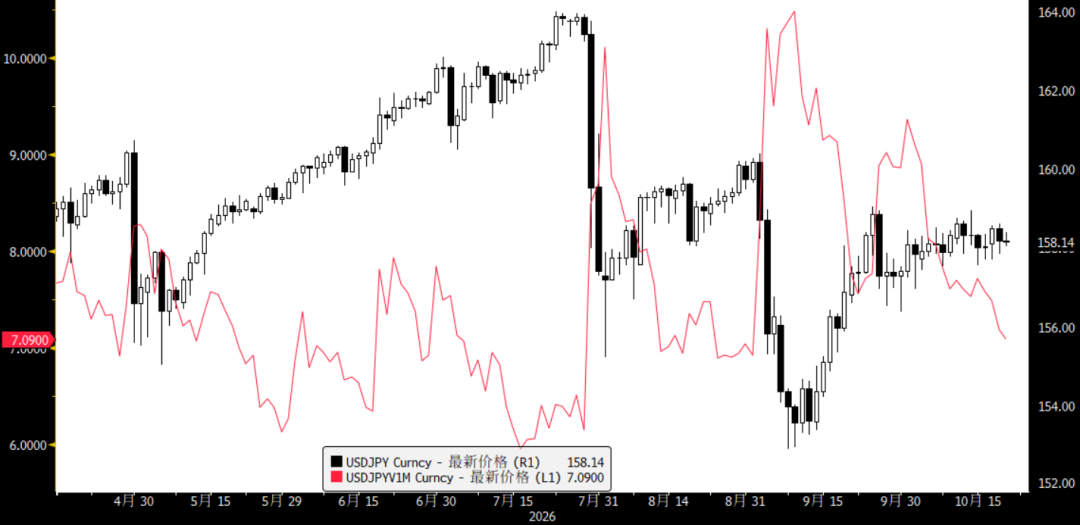
In fact, there have been quite a few positive factors for the yen since October, but the yen exchange rate has been almost insulated:
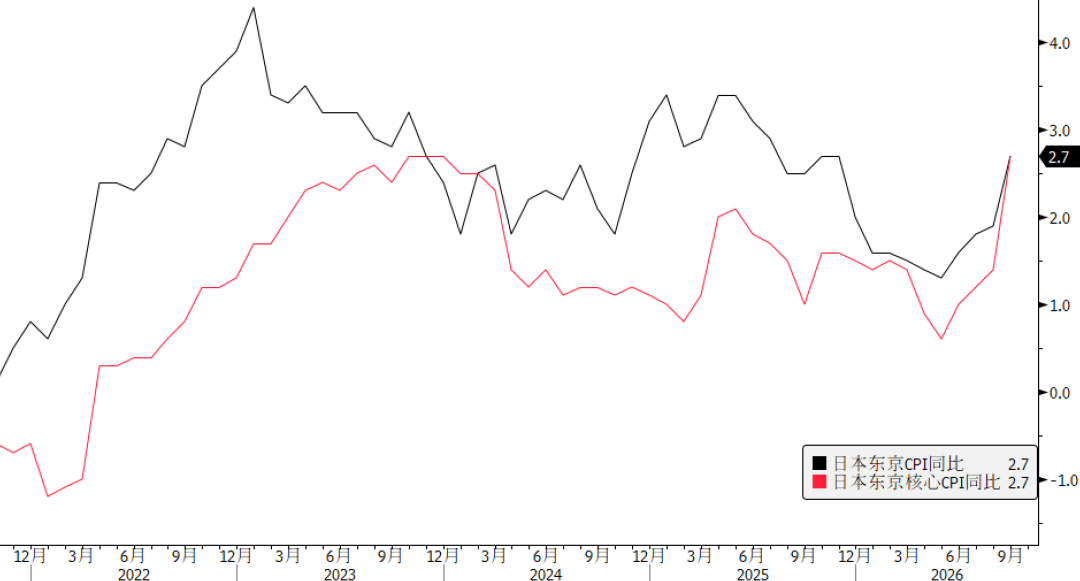
Fundamentals: In September, Tokyo's CPI in Japan soared, with core CPI at 2.7%, reaching a new high in 2024, boosting the Bank of Japan's confidence to hike rates further. Yet USDJPY dived only 100 pips intraday, quickly retraced the drop, and ended the day down just 30 pips.
News: In October, Bank of Japan Governor Kazuo Ueda gave slightly more hawkish signals, stressing that “will continue to raise rates, underlying inflation is approaching 2%, financial conditions remain loose”. Deputy Governor Shinichi Himino warned that “delaying policy adjustments could bring inflation risks and damage the economy”. However, the market response in USDJPY to each speech has been very muted.
Sentiment: US stocks plunged and risk aversion surged, the US rate and dollar index decreased, which theoretically should benefit the yen, but the yen remained unmoved.
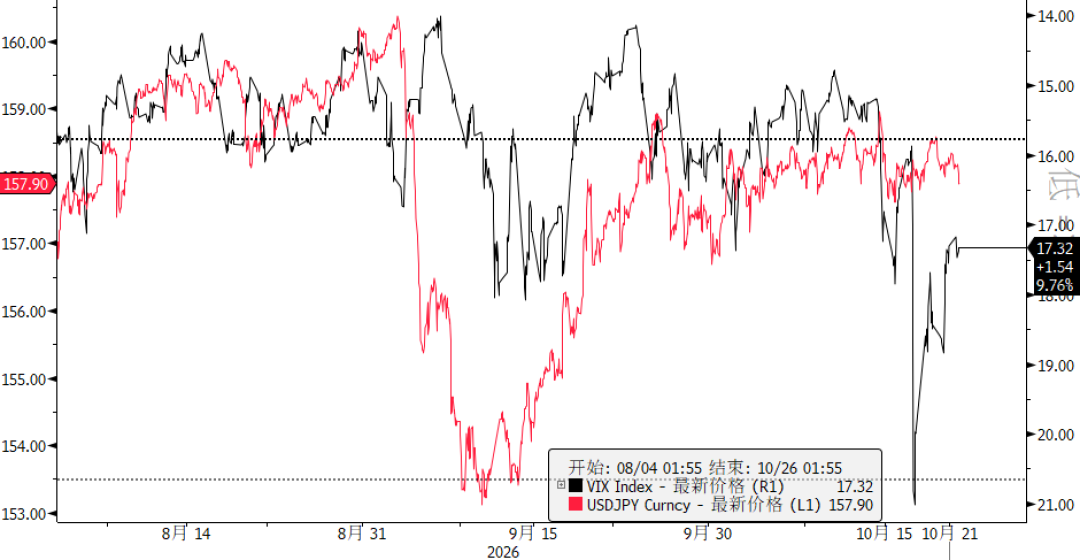
Does the market really hold such a bearish view on the yen that no positive news can stir up interest in going long the yen? That doesn’t seem to be the case. According to CFTC positions, the yen is still in net long status; in the options market, USDJPY RR is also at a relatively low level for the year.
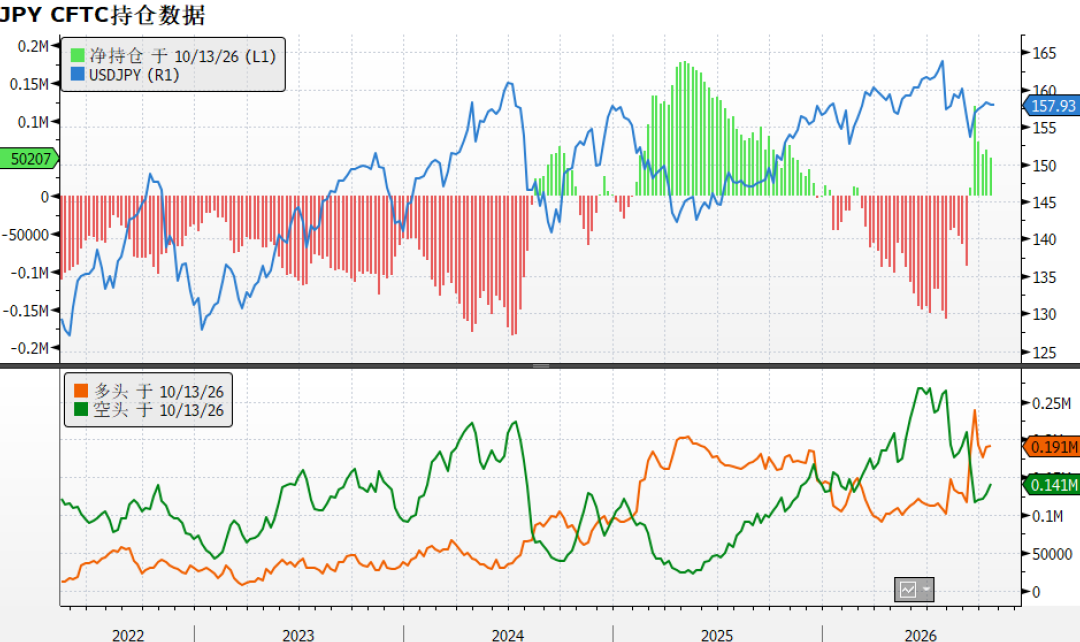
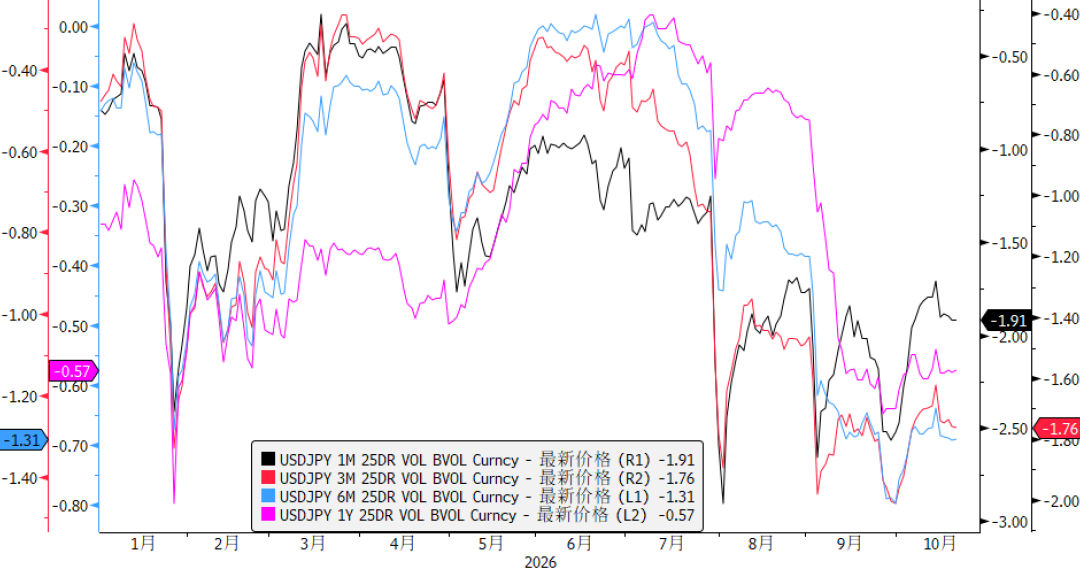
Therefore, the yen’s issue is not only about “whether it will appreciate,” but also “whether it’s worth participating in the appreciation trade.” Given the absolute carry cost and fully priced-in BOJ rate hike expectations, even if one joins the long yen trade, compared to continuing to aggressively add USDJPY short positions on spot, using options for exposure is more suitable. Judging from RR levels across various terms, the market is relatively more confident in yen appreciation over a 3–6 month horizon.
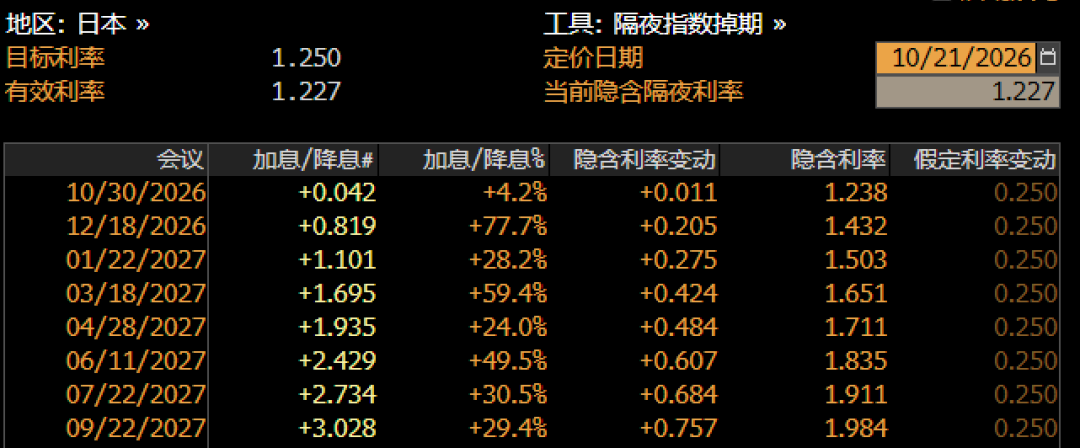
Looking ahead to the October BOJ rate meeting, I personally believe the Bank of Japan will remain on hold, but may raise its inflation forecast and provide guidance for a rate hike in December. However, since the market has priced in a 20bp hike for December, there may be limited room for further yen appreciation, making it unsuitable to continue chasing USDJPY shorts at this stage—the right move is to take profit on short positions. Conversely, if this meeting continues to be ambiguous on a December rate hike, causing USDJPY to climb toward 160, one could consider taking some sell RR positions from the left side.
Disclaimer: The content of this article solely reflects the author's opinion and does not represent the platform in any capacity. This article is not intended to serve as a reference for making investment decisions.
You may also like

Innovative Simply Solar swings to H1 2026 pretax loss of EUR 140,229.12
UBS: Trading Strategies for Current Interest Rate Fluctuations
Crypto prices
More


